

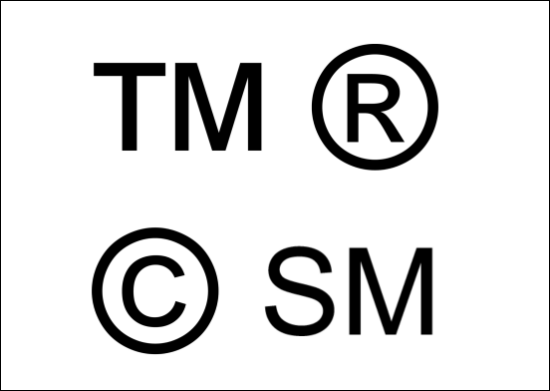
A trademark registration is not necessarily permanent. Even after a mark has cleared examination, survived (or avoided) opposition, and been entered on the Register of Trade Marks, it can still be challenged years later and removed. The legal route for this is called “rectification” – a remedy that is less talked about than opposition, but one that brand owners, competitors and their advocates should understand well, because it can be used both offensively, to clear a conflicting mark off the register, and defensively, when a registration is used against you in an infringement dispute.
What Is Trademark Rectification?
Rectification is the process by which an entry on the trademark register is corrected, varied or cancelled after registration. Under the Trade Marks Act, 1999, the power to order rectification of the register is primarily found in Section 57, which allows an aggrieved person to apply for cancellation or variation of a registration on the ground that the entry was made without sufficient cause, or that it wrongly remains on the register, or that there has been an error or defect in any entry.
A related but distinct ground is non-use. Section 47 permits removal of a registered trademark where it was registered without any bona fide intention to use it, and there has in fact been no bona fide use, or where there has been no bona fide use for a continuous period of five years and three months prior to the application for removal. This “non-use” route is one of the most commonly invoked grounds in rectification practice, since many registrations on the Indian register are never actually put to commercial use.
Rectification Versus Opposition: Why the Distinction Matters
Opposition and rectification are often confused, but they operate at different stages:
- Opposition is a pre-registration remedy. It is filed after a mark is advertised in the Trade Marks Journal but before it proceeds to registration.
- Rectification is a post-registration remedy. It applies to a mark that has already cleared examination and advertisement and has been formally registered, sometimes years earlier.
This distinction matters strategically. If a conflicting mark has already slipped through to registration – whether because no opposition was filed in time, or because the earlier right-holder was simply unaware of the application – rectification remains available as a remedy. There is no absolute bar on challenging a registered mark merely because the opposition window has closed.
Common Grounds for Rectification
While each case turns on its own facts, rectification petitions in India typically rely on one or more of the following grounds:
- Non-use of the mark for the statutory period, as discussed above.
- The mark lacked distinctiveness or was purely descriptive at the time of registration, and ought not to have been registered under the absolute grounds of refusal.
- The mark is identical or deceptively similar to an earlier registered or well-known mark, raising relative grounds of refusal that were overlooked during examination.
- The registration was obtained by fraud, misrepresentation, or suppression of material facts before the Registry.
- The mark has become generic, or its continued registration is otherwise contrary to the public interest or to the provisions of the Act.
The burden lies on the petitioner to show that they are an “aggrieved person” – generally understood to include a party with a real commercial interest in having the mark removed or corrected, such as a competitor, a prior user, or someone facing an infringement claim based on the registration in question.
Where Rectification Petitions Are Filed Today
The forum for rectification has changed in recent years. Rectification applications were earlier heard by the Intellectual Property Appellate Board (IPAB). Following the abolition of IPAB under the Tribunals Reforms Act, 2021, these functions were transferred to the High Courts having jurisdiction, with many matters now proceeding before the commercial divisions of High Courts that have original side jurisdiction, such as the Madras High Court, Delhi High Court and Bombay High Court. Practitioners should check the current procedural rules and the relevant High Court’s IP division practice directions before filing, as these have continued to evolve.
Rectification as a Defensive Tool
One of the most practically important uses of rectification is defensive. If a brand owner is sued for infringement of a registered trademark, Section 124 of the Act allows the defendant to raise, as a defence, a plea that the registration of the plaintiff’s mark is invalid, and to seek rectification of the register on that basis. Where such a plea is prima facie tenable, the infringement suit is typically stayed pending the outcome of the rectification proceeding, since the validity of the registration is central to the infringement claim itself. This gives defendants in trademark suits a meaningful route to challenge the very foundation of the claim against them, rather than only contesting similarity or likelihood of confusion.
Practical Guidance for Brand Owners
A few practical takeaways follow from how rectification operates in practice:
- Keep dated, organised evidence of actual commercial use of your mark – invoices, packaging, advertising, e-commerce listings – since non-use is one of the most frequently raised grounds against registered marks.
- Periodically review the register in your sector. A conflicting registration that slipped through opposition is not necessarily permanent; rectification may still be available.
- If you are defending an infringement claim, have your advocate assess early whether the plaintiff’s registration itself is vulnerable – on non-use, descriptiveness, or prior conflicting rights – since this can reshape the entire dispute.
- Do not assume that once a mark is “registered”, it is beyond challenge. Registration creates a presumption of validity, but that presumption can be rebutted through a properly supported rectification petition.
Conclusion
Rectification is a quieter remedy than opposition, but in many ways a more powerful one, because it reaches marks that have already secured registration. For brand owners, it is a tool to keep the register clean of unused or wrongly registered conflicting marks. For those facing infringement claims, it can be a decisive defence. Either way, rectification proceedings involve detailed evidentiary and procedural requirements, and are best approached with experienced counsel from the outset.
Disclaimer: This article is intended for general informational purposes only and does not constitute legal advice. Laws and their interpretation may change, and individual circumstances vary. For advice specific to your situation, please consult Sevenelementz Legal Associates LLP or another qualified advocate.